
Protecting Your Home from Hurricanes: Keeping Your Roof Strong in San Antonio Texas

Hurricanes bring powerful winds and heavy rains that can cause serious damage to homes, especially roofs. Living in San Antonio, Texas, means being prepared for severe weather events that may threaten your property. As a home owner, one of the best ways to protect your investment is by ensuring your roofing system is strong and well-maintained. I want to share practical advice on how to keep your roof hurricane-ready, so you can safeguard your home and family.
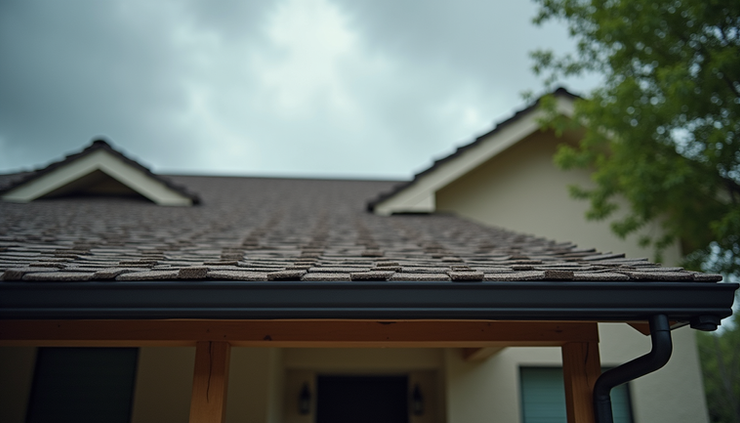
Why Roofing Matters in Hurricane-Prone Areas
The roof is the first line of defense against hurricane damage. High winds can lift shingles or tiles, allowing water to seep inside and cause leaks or structural damage. Flying debris can puncture or crack roofing materials, leading to costly repairs. In San Antonio, where hurricanes and tropical storms occasionally affect the region, having a roof built to withstand these forces is essential.
Many home owners underestimate the importance of roofing quality until after a storm hits. A well-made roof not only protects your home but also reduces insurance claims and increases property value. Investing in durable materials and proper installation pays off when severe weather arrives.
Choosing the Right Roofing Materials for Hurricanes
Not all roofing materials perform equally during hurricanes. Here are some options that stand up well to strong winds and heavy rain:
Asphalt shingles: Look for those rated for high wind resistance (110 mph or more). Architectural shingles tend to be thicker and more durable than three-tab shingles.
Metal roofing: Metal panels or shingles resist wind uplift and do not crack or break easily. They also shed water quickly.
Clay or concrete tiles: These are heavy and can resist wind, but they must be properly fastened to avoid being blown off.
Synthetic roofing: Materials like synthetic slate or rubber can combine durability with lighter weight.
When selecting roofing materials, check for local building codes and hurricane ratings. San Antonio’s climate means your roof should handle not only hurricanes but also heat and occasional hail.
Regular Roof Maintenance to Prevent Hurricane Damage
Even the best roofing materials need upkeep. As a home owner, you can take steps to keep your roof in top shape:
Inspect your roof twice a year: Look for missing, cracked, or curling shingles. Check flashing around chimneys and vents.
Clean gutters and downspouts: Clear debris to prevent water backup that can damage roofing edges.
Trim overhanging tree branches: This reduces the risk of limbs falling on your roof during storms.
Repair minor damage promptly: Fix small leaks or loose shingles before they worsen.
Scheduling a professional roofing inspection every few years can catch hidden problems. Many roofing contractors in San Antonio offer hurricane preparedness assessments.

Additional Tips for Hurricane-Ready Roofing
Beyond materials and maintenance, consider these strategies to strengthen your roof against hurricanes:
Install hurricane straps or clips: These metal connectors secure the roof frame to the walls, reducing the chance of roof uplift.
Use impact-resistant windows and doors: While not roofing, these protect your home’s envelope and reduce pressure on the roof during high winds.
Seal roof penetrations: Properly seal vents, skylights, and chimneys to prevent water intrusion.
Keep insurance updated: Ensure your policy covers wind and hurricane damage, and document your roof’s condition with photos.
Preparing your roof for hurricane season is a proactive way to protect your home and peace of mind.
What to Do After a Hurricane Hits
If a hurricane passes through San Antonio, inspect your roof as soon as it is safe:
Look for missing shingles, broken tiles, or holes.
Check the attic for signs of leaks or water stains.
Contact a licensed roofing contractor for repairs rather than attempting risky DIY fixes.
Document damage for insurance claims with photos and detailed notes.
Prompt action can prevent small problems from turning into major repairs.


Comments